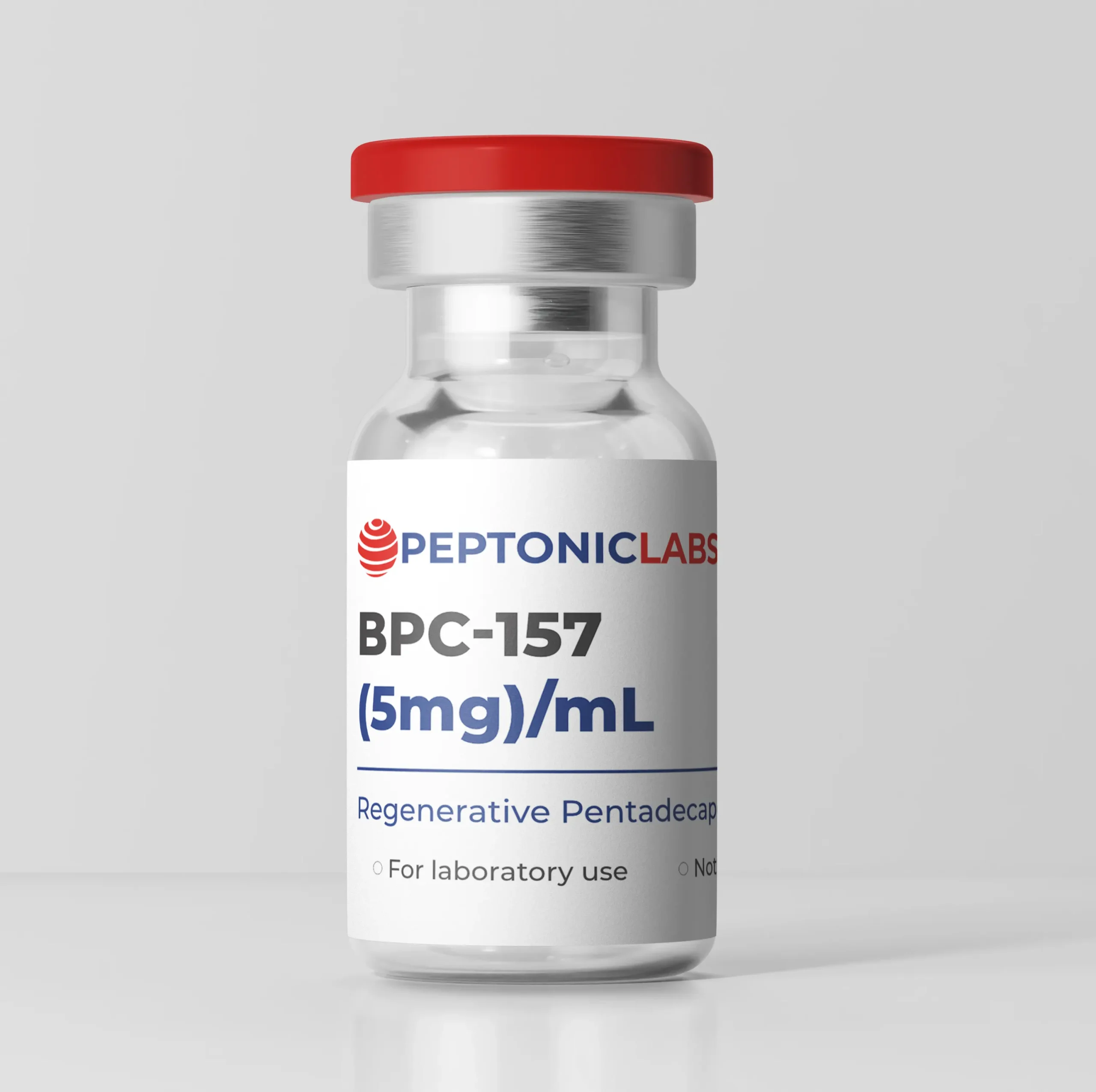
Understanding BPC-157: Medical Knowledge, Utilization Tendencies, and Study Need


Recently, peptide-based study substances have seen measurable development across biotechnology, dermatological science, and regenerative examine sectors. Among these, ghk cu peptide has progressively gained interest due to its well-documented molecular structure and extensive experimental applications. Industry observations display a constant increase in copper peptide need, especially in managed lab settings wherever purity, stability, and standardized dosing are important for reproducible outcomes.
What Is GHK-Cu and Why Is It Studied?
GHK-Cu (Glycyl-L-Histidyl-L-Lysine Copper) is just a normally occurring copper-binding peptide. It was first determined in individual lcd and later studied for its natural signaling properties. In study settings, it is analyzed for its potential effect on mobile restoration mechanisms, collagen production pathways, and gene term modulation.
Laboratory knowledge printed over years suggests that copper peptides may possibly play roles in structure remodeling and extracellular matrix support. Because of this, study need has widened slowly, especially within fresh dermatology and regenerative biology.
What Do Recent Industry Data Disclose?
Business information from peptide research companies indicates that copper peptide revenue have become by an projected 18–25% annually over the last several years. That development reflects broader development in peptide-based investigations worldwide. Biotechnology investment studies further declare that regenerative peptide compounds signify one of many fastest-expanding segments in study substance distribution.
The increasing choice for 50mg standardized models also aligns with laboratory performance trends. Researchers prefer regular group shapes that simplify dosage calculations and reduce experimental variability.
How Is GHK-Cu Found in Research Controls?
In qualified laboratory contexts, GHK-Cu is usually learned for :
Mobile signaling pathways
Extracellular matrix upgrading designs
Collagen and elastin research
Oxidative strain result tests
In-vitro wound-healing simulations
Their molecular security and compatibility with managed storage situations allow it to be acceptable for long-term experimental planning. Also, copper-binding peptides remain a spot of fascination with aging-related natural reports because of the conversation with gene regulation markers.
Why Is Love a Critical Component?
Research materials must match rigid analytic benchmarks. High-performance liquid chromatography (HPLC) testing and mass spectrometry validation are typically used to confirm peptide purity. Actually little deviations in peptide integrity may effect examine outcomes.
Qualified experts prioritize verified lab-grade ingredients because consistent love levels straight influence reproducibility. In mathematical evaluation, reproducibility remains one of the most substantial indicators of clinical reliability.
Are Copper Peptides Operating Innovation in Regenerative Studies?
Emerging lab conclusions recommend copper peptides influence pathways associated with mobile communication and architectural protein synthesis. While continuous investigations continue to explore long-term implications, preliminary information has inspired broader fresh modeling across universities and individual research facilities.
Biotechnology forecasting versions anticipate that regenerative-focused peptides could signify a considerable portion of fresh substance procurement by 2028. The growing integration of peptide technology into dermatological research pipelines more helps this projection.
What Storage and Managing Techniques Help Security?
Sustaining peptide integrity involves managed environmental conditions. Common suggestions often contain refrigeration, security from light publicity, and small freeze-thaw cycles. These standards minimize degradation risk and protect structural balance for correct lab evaluation.
Trusted presentation and secure containment also donate to item longevity. Labs significantly highlight contamination elimination and secure storage paperwork within regulatory compliance processes.
Why Is Professional Sourcing Crucial?
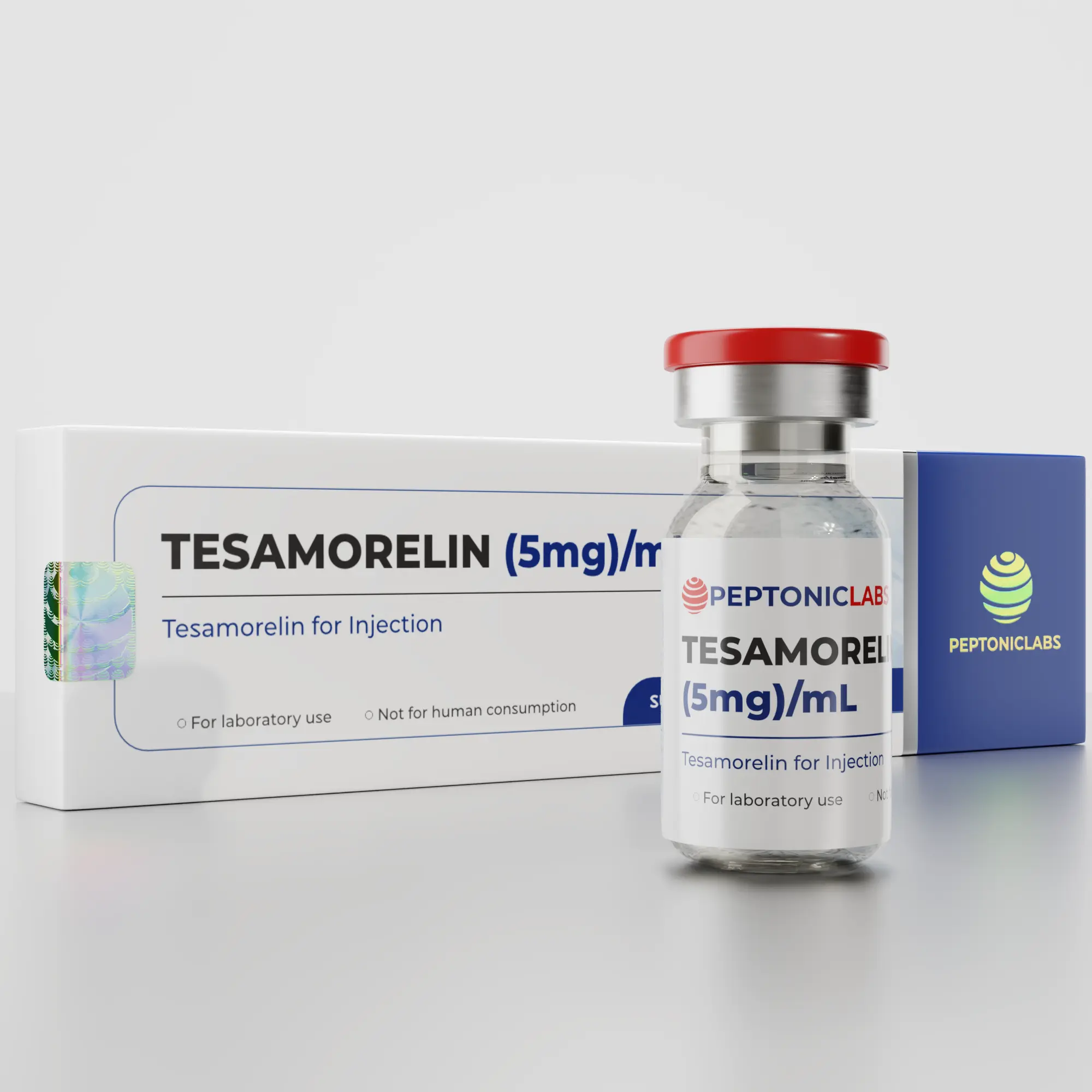
The rise in peptide study recognition has also led to stricter objectives about quality assurance. Trusted research vendors typically provide:
Clear set testing paperwork
Approved molecular evaluation
Secure packaging criteria
Regular present sequence reliability
Qualified procurement methods minimize experimental problems and support precise information generation.
What Does the Future Hold for GHK-Cu Research?
As peptide technology evolves, copper peptides remain central to exploratory scientific models. Ongoing mathematical tracking indicates increasing global need, especially in parts trading heavily in regenerative technology and laboratory innovation.
With increasing interest in mobile repair study and bioactive signaling ingredients, GHK-Cu continues to signify a significant component of contemporary peptide investigation. Their organized molecular design, old research basis, and lab versatility place it as a number one ingredient within research-focused environments.
For labs seeking uniformity, tested purity, and scalable study applications, GHK-Cu Copper Peptide 50mg shows recent market criteria arranged with skilled clinical expectations.